
When the winter air draws icily into the lungs with every breath, many people feel a sharp pain in their teeth. Sensitive teeth in winter are a widespread problem: cold air, hot drinks and temperature fluctuations irritate exposed tooth necks and lead to unpleasant pain sensitivity. Here you will learn what is behind this phenomenon and which measures really help.
Why Teeth Hurt in Cold
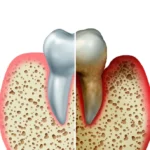
Inside the tooth run tiny channels (tubules) that connect the sensitive tooth pulp with nerve pathways. When the protective tooth enamel disappears or the gums recede, these channels become exposed. Cold air or cold drinks then trigger an electrifying signal that we perceive as pain.
Main causes of exposed tooth necks are:
- Brushing too hard with abrasive toothpaste
- Gum recession due to periodontitis or overly aggressive oral hygiene
- Enamel loss from acidic foods and drinks
- Erosion as a result of heartburn or frequent consumption of acidic drinks
Effective Immediate Measures
- Protect from temperature
Avoid rapid changes between hot and cold foods or drinks. Drink lukewarm beverages with a straw to reduce direct contact with the tooth surface. - Desensitizing toothpaste
Special products with potassium nitrate or strontium chloride seal the tubules and relieve pain sensitivity after a few applications. - Fluoride rinses and gels
Additional fluoride application strengthens tooth enamel and helps repair minor defects. Highly concentrated gels applied before bedtime are particularly effective. - Mouth protection against cold
A thin, soft face mask or scarf over the mouth protects teeth from icy air. Ideal for outdoor walks or cycling.
Long-term Prevention
1. Gentle Oral Hygiene
Switch to a soft toothbrush and a toothpaste with low abrasiveness. Use only as much pressure as necessary and complete brushing movements gently. Interdental brushes and dental floss protect the gums when used correctly.
2. Regular Check-ups
Only the dentist can detect early gum recession and erosion. Schedule a check-up and professional teeth cleaning twice a year to treat problem areas specifically.
3. Nutritional Awareness
Reduce consumption of acidic drinks such as soft drinks, fruit juices and sports drinks. Supplement your winter diet with fluoridated mineral water and neutralizing foods such as dairy products.
4. Protection Against Reflux
If you suffer from heartburn or nocturnal reflux, stomach acid can attack your teeth. Talk to your doctor or dentist about appropriate treatment to avoid erosion.
When to See the Dentist?
If the pain occurs more frequently despite immediate measures or persists for longer than a week, a dental examination is necessary. You should take the following warning signs seriously:
- Persistent hypersensitivity to cold or sweets
- Gum bleeding or recession
- Visible abrasion or discoloration at the tooth edge
- Pain when biting or pressing
In our practice at Bundesplatz Zug, we offer targeted desensitization therapies, professional fluoride treatments and individual consultations. This way your teeth remain pain-free and protected even during the cold season.
Sensitive teeth in winter don’t have to be a fate. With the right measures and targeted prevention, you can eliminate the pain point and enjoy your winter adventure in Zug carefree!